GASTROESOPHAGEAL REFLUX DISEASE (GERD): WHY DOES IT OFTEN RELAPSE AT YEAR’S END?
1/9/2026 4:42:51 PM
This article is medically reviewed by Dr. Đinh Thị Ngọc Minh – Hepatology & Gastroenterology.
Gastroesophageal reflux disease (GERD) is one of the most common digestive disorders and tends to recur or worsen during periods of disrupted routines, especially toward the end of the year approaching the Lunar New Year. Clinical practice shows a noticeable increase in patients seeking care for symptoms such as acid regurgitation, burning behind the breastbone, bloating, and nighttime sleep disturbances during this time.
GERD is a chronic condition that is strongly influenced by diet, daily habits, and lifestyle factors. In addition to medical treatment, controlling risk factors can contribute up to 50% of symptom management effectiveness.
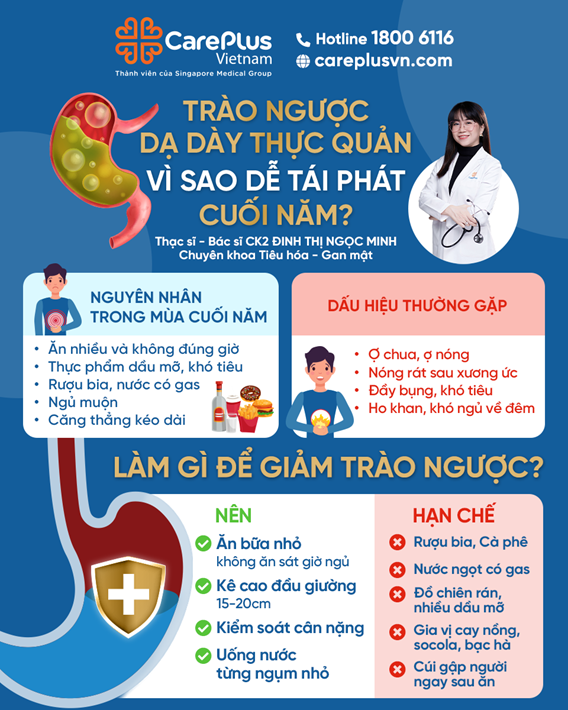
1️⃣ WHY GERD IS MORE LIKELY TO RELAPSE AT YEAR’S END
🔶 Irregular meal timing and portion size
During year-end gatherings and parties, patients often eat multiple meals close together, overeat, or eat late at night. Increased gastric volume raises intra-abdominal pressure, facilitating acid reflux into the esophagus, especially when lying down or bending forward after meals.
🔶 High-fat, hard-to-digest foods
Meals are often rich in fat and protein and prepared by frying or stir-frying. Fat delays gastric emptying, prolongs acid exposure, and reduces lower esophageal sphincter tone, thereby worsening reflux symptoms.
🔶 Alcohol and stimulant beverages
Alcohol consumption is a major risk factor for GERD. Ethanol relaxes the lower esophageal sphincter, stimulates gastric acid secretion, and damages the protective mucosal barrier. Coffee and carbonated drinks can also intensify reflux symptoms.
🔶 Disrupted daily routines
Staying up late, sleep deprivation, or lying down immediately after eating reduces the effectiveness of physiological anti-reflux mechanisms. This particularly increases the risk of nighttime reflux, which is closely associated with esophagitis and sleep disorders.
🔶 Stress and psychological tension
Year-end periods often come with financial pressure, work stress, frequent travel, and changes in daily rhythm. Stress affects the gut–brain axis, increases pain perception, disrupts gastrointestinal motility, and makes reflux symptoms harder to control.
2️⃣ MEASURES TO REDUCE GERD SYMPTOMS AT YEAR’S END
Alongside adherence to prescribed medical treatment, appropriate dietary and lifestyle adjustments can reduce symptom severity by 50–60%, improving quality of life:
🔷 DIETARY HABIT ADJUSTMENTS
• Eat smaller, more frequent meals; avoid overeating, especially during long parties
• Avoid eating within 2–3 hours before lying down or going to bed
• Limit excessive fluid intake immediately after meals
🔷 LIFESTYLE HABITS
• Elevate the head of the bed by about 15–20 cm (not just extra pillows) to reduce reflux while lying down
• Avoid tight clothing or overly tight belts after meals
• Avoid bending forward or vigorous activity immediately after eating, especially abdominal flexion or heavy lifting
🔷 WEIGHT CONTROL
🔷 LIMIT FACTORS THAT WORSEN SYMPTOMS
• Quit smoking
• Limit alcohol consumption
🔷 SLEEP AND PSYCHOLOGICAL FACTORS
• Sleeping on the left side may help reduce nighttime reflux
• Maintain a consistent sleep schedule
• Prolonged psychological stress can affect the gut–brain axis, making GERD symptoms more difficult to control
3️⃣ APPROPRIATE NUTRITIONAL GUIDELINES
⚠️ Foods to limit:
• Stimulant beverages: coffee, strong tea, carbonated drinks, alcohol
• Fried and high-fat foods
• Spicy seasonings, chocolate, mint
• Fruits and juices with high acidity
• High-salt foods and pickled items
🔰 Foods to prioritize:
• Lean protein: skinless chicken, steamed/grilled fish, boiled eggs, steamed shrimp
• Whole grains: oats, brown rice, whole-grain bread
• Green vegetables and low-acid fruits
• Low-fat or fat-free milk
• Adequate water intake; diluted ginger water may support digestion and soothe the throat lining
Gastroesophageal reflux disease is strongly influenced by lifestyle factors. Early identification of risk factors and proactive lifestyle modification are key to effective disease control and long-term complication prevention. If symptoms persist, recur frequently, or if warning signs such as chest pain, difficulty swallowing, or unexplained weight loss appear, patients should seek consultation with a Hepatology–Gastroenterology specialist for timely diagnosis and treatment.
☎️ Contact our hotline at 1800 6116 or inbox the CarePlus Fanpage for support and to book an appointment at your earliest convenience.