BOOK AN APPOINTMENT

Whether condoms and IUDs can prevent STDs?
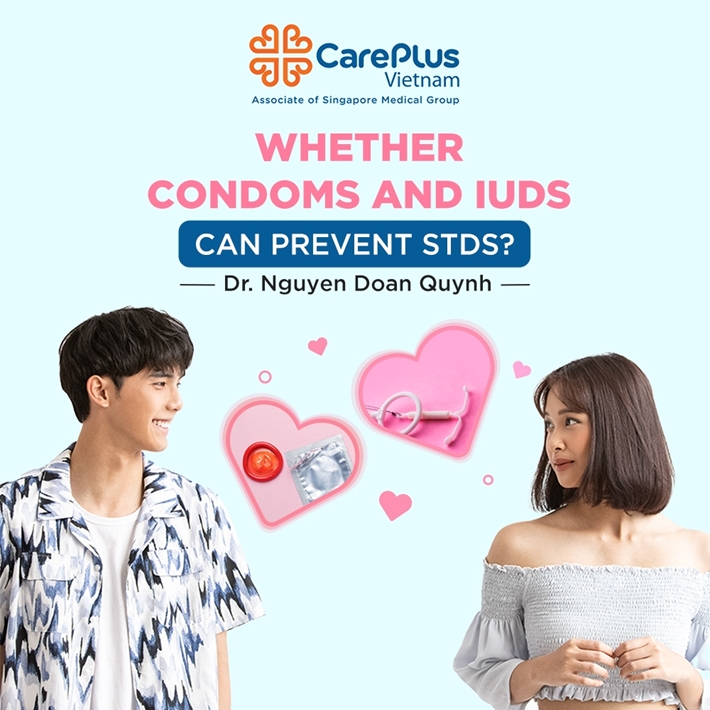
Whether condoms and IUDs can prevent STDs?

Q: Can condoms and IUDs reduce the risk of STDs?

Doctor replied:

For condoms

Condom is an effective way to prevent sexually transmitted diseases (STDs), which communicate through genital secretions such as semen or vaginal secretions. These diseases include HIV, Chlamydia, and Gonorrhea. When having sex, a condom ensures the patient’s secretion does not contract directly with their partner’s mucous membranes to avoid transmission. 

However, not all STDs are transmitted through genital fluids but skin-to-skin contacts like Syphilis, Herpes, or Chickenpox. 

Therefore, condoms are a practical measure to protect against STDs, except these are transmitted skin-to-skin. Moreover, it would help if you used condoms correctly from the beginning to afford the best protection. 

For the IUDs

STDs are transmitted through secretions skin-to-skin. So IUDs cannot prevent STDs. 

▶️▶️ Watch the full series of Q&A about STIs here: HERE

🩺🩺Who should take STD test? 

  • People who have sex with strangers, have multiple sex partners or have sex with a partner with suspected disease. 

  • Sexually active people 

  • Sexually active women under 25 should take gonorrhea and Chlamydia test at least once a year. Women over 25 with risk factors should be screened for gonorrhea and Chlamydia once a year.

  • Pregnant women should be screened for syphilis, HIV, and hepatitis B early in pregnancy. Women with risk factors should be screened for gonorrhea and Chlamydia early in pregnancy.

  • Gay or bisexual men should be screened at least once a year for diseases: syphilis, gonorrhea, and Chlamydia. People with many sexual partners should be screened regularly (every 3-6 months).

  • Anyone, regardless of gender or sexual orientation, who has had unprotected sex or shares injection equipment should be tested for HIV at least once a year.

Sign up for STI screening for regular screening and timely treatment!

👉 STI screening packages for men HERE

👉 STI screening packages for women HERE

Recent posts

CHRONIC NECK PAIN - WHAT MEDICAL CONDITIONS COULD IT INDICATE? LISTEN TO YOUR BODY TO PROACTIVELY PROTECT YOUR HEALTH
Persistent neck pain is not always caused by muscle strain or poor posture; it may be a sign of underlying musculoskeletal conditions. Discover the possible causes and early warning signs and learn how to proactively protect your health with CarePlus doctors in the article below.

By MSc, MD, Level I Specialist NGUYEN VAN HOANG TAM

IMBALANCED EATING HABITS AT THE BEGINNING OF THE YEAR – A NUTRITIONIST’S PERSPECTIVE
An imbalanced diet at the beginning of the year can affect body weight and digestive health, while also leaving you feeling fatigued. Join CarePlus nutritionists to explore the causes and discover scientific, practical ways to restore balance.

By Specialist Doctor. NGUYEN PHUONG ANH

Related Products

Screening for Sexually Transmitted Diseases in Women
Sexually transmitted diseases (also known as STDs) are a group of diseases that are transmitted from one person to another through sexual activities, including vaginal, oral, or oral sex. anus. STIs do not always show symptoms or may have only mild symptoms. As a result, many people get sick without knowing they have it. That is why it is advisable to screen for this group of diseases in sexually active and at-risk people. ₫2,600,000 ₫2,080,000

Screening for Sexually Transmitted Diseases in Men
Sexually transmitted diseases (also known as STDs) are a group of diseases that are transmitted from one person to another through sexual activities, including vaginal, oral, or oral sex. anus. STIs do not always show symptoms or may have only mild symptoms. As a result, many people get sick without knowing they have it. That is why it is advisable to screen for this group of diseases in sexually active and at-risk people. ₫2,600,000 ₫2,080,000

{{currentDoctor.Name}}
*{{ errors.first('form-1.Register name') }}
*{{ errors.first('form-1.Phone') }}
*{{ errors.first('form-1.Email') }}
Patient info:
*{{ errors.first('form-1.Patient name') }}