Hepatitis Remains a Global Health Burden – What's Changed in 2026?
7/29/2026 1:40:22 PM
 On World Hepatitis Day (July 28), we are reminded that viral hepatitis remains a major global health challenge. Despite remarkable advances in diagnosis and treatment, millions of people around the world are still living with hepatitis without knowing it, are not receiving timely treatment, or do not fully understand the disease and its long-term impact.
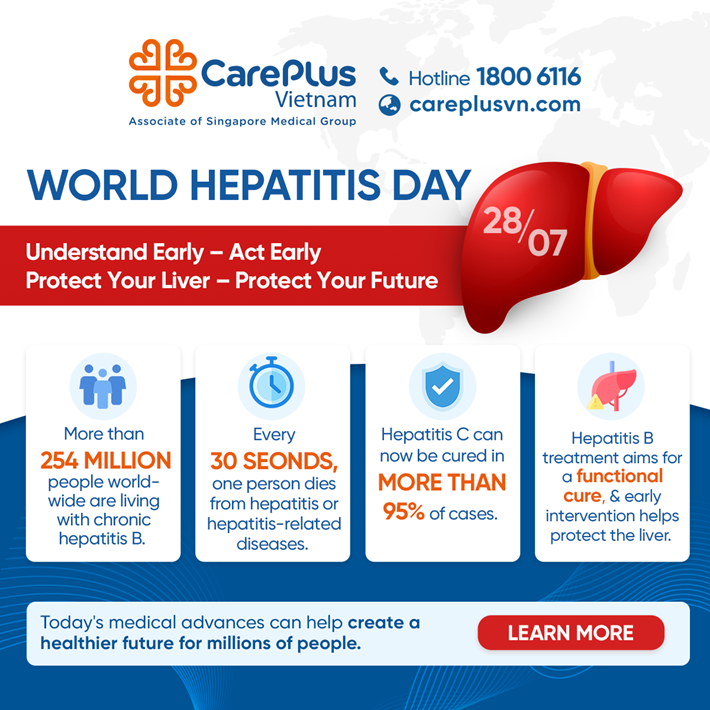
 Hepatitis B virus (HBV) infection remains one of the most common infectious diseases worldwide. According to the World Health Organization (WHO), an estimated 254 million people were living with chronic hepatitis B in 2022, with approximately 1.2 million new infections and 1.1 million deaths each year, primarily due to cirrhosis and hepatocellular carcinoma (HCC). With new cases continuing to be reported annually, hepatitis B remains a significant public health burden that has yet to show signs of decline. Hepatitis C is also a major global health concern. WHO estimates that approximately 50 million people worldwide are living with chronic hepatitis C, with more than one million new infections each year. In 2024 alone, hepatitis C claimed an estimated 239,000 lives globally. The prevalence of hepatitis C virus (HCV) infection in the general population is estimated to range from 1% to 1.8%. When people think of hepatitis, many still assume it is a lifelong condition. However, advances in medical science have significantly changed the outlook for patients. Today, hepatitis C can be cured in more than 95% of cases with direct-acting antiviral (DAA) therapies, often requiring only a few months of treatment.
 While hepatitis B does not yet have a complete cure, treatment goals have evolved considerably. Rather than focusing solely on suppressing viral replication, keeping the virus in an inactive state, and protecting the liver, modern medicine is now moving toward achieving a functional cure. Functional cure refers to the loss or sustained reduction of hepatitis B surface antigen (HBsAg) to very low levels, significantly reducing the risk of cirrhosis, liver cancer, and other long-term complications. Emerging research continues to show promising results in bringing this goal closer to reality. In addition, treatment strategies are increasingly shifting toward earlier intervention in appropriate patients, instead of waiting until liver enzyme levels rise or liver damage has already occurred before initiating treatment.
 Medical advances are opening up new possibilities for people living with viral hepatitis. At the same time, they raise an important question: Has public awareness kept pace with the progress of modern medicine? This World Hepatitis Day, CarePlus is committed to sharing accurate, up-to-date, and practical information about viral hepatitis to help raise awareness and empower individuals to take a more proactive approach to screening, monitoring, and treatment.
 The medical insights featured in this series are provided by Dr. Dinh Thi Ngoc Minh, MD, MSc, Specialist Level II in Gastroenterology and Hepatology at CarePlus Clinic Vietnam. With extensive experience in the diagnosis, treatment, and long-term management of liver diseases, Dr. Minh will be joining us throughout this educational series to deliver evidence-based, easy-to-understand, and practical information about viral hepatitis.
 Stay tuned for upcoming articles from Dr. Minh as we explore the latest developments in hepatitis B diagnosis and treatment, address common misconceptions surrounding the disease, and share essential information to help you and your loved ones take proactive steps toward liver health through timely screening and appropriate medical care.