Consequences of stress on gastrointestinal diseases
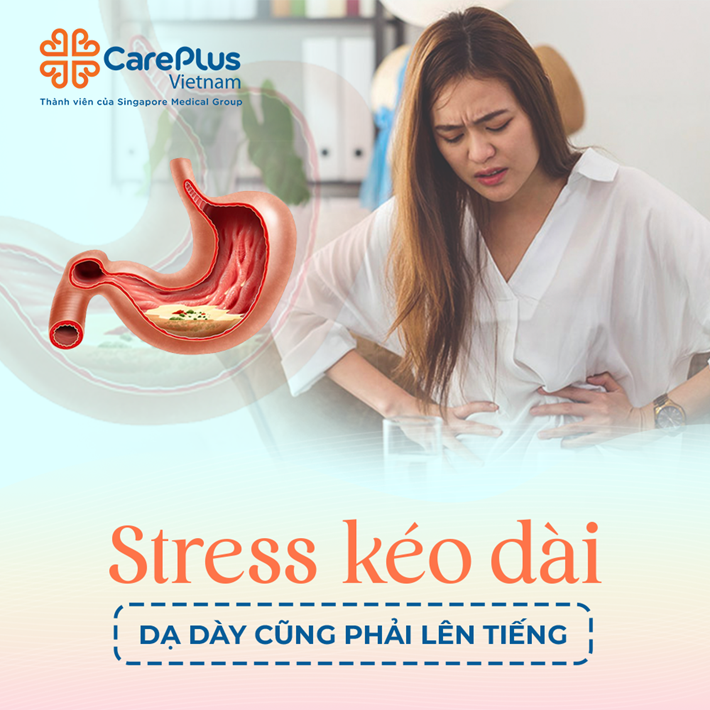
The digestive system is extremely sensitive to human mood. Stress can cause you to have peptic ulcers, gastrointestinal bleeding, stomach perforation, diarrhea, dry mouth, loss of appetite, indigestion, bad breath, colon dysfunction. In particular, stress is one of the causes of many problems of gastrointestinal dysfunction syndrome such as: irritable bowel syndrome (IBS), gastroesophageal reflux disease (GERD) ...
3/23/2023 9:25:58 AM
The digestive system is extremely sensitive to human mood. Stress can cause you to have peptic ulcers, gastrointestinal bleeding, stomach perforation, diarrhea, dry mouth, loss of appetite, indigestion, bad breath, colon dysfunction. In particular, stress is one of the causes of many problems of gastrointestinal dysfunction syndrome such as: irritable bowel syndrome (IBS), gastroesophageal reflux disease (GERD) ...
The stomach and intestines actually have more nerve cells than the entire spine, so doctors refer to the digestive system as a "small brain". A highway of nerves connects directly from the brain to the digestive system, and information is transmitted two-way. Serotonin is a very important hormone that controls human mood. It is worth noting that 95% of this serotonin hormone is located in the digestive system, not the brain.
When under severe stress, the brain produces hormones that affect the functioning of the digestive system, and also produces steroids and adrenaline to help fight stress. Sometimes these hormones affect your mood, making you not want to eat when you're stressed. In some cases, it stimulates your hunger, making you crave food when stressed.
If you have stomach problems, such as acid reflux disease, peptic ulcer disease, or irritable bowel disease, stress can make these symptoms worse.
In fact, the body's central nervous system controls the digestive process. If you are too stressed, the central nervous system will stop blood circulation and cause muscle contractions, indigestion.
Stress can affect the central nervous system (where the digestive process is controlled), affect bowel movements, heartburn, and interfere with intestinal immunity. In addition, stress also contributes to the following digestive problems: Indigestion, acid reflux, peptic ulcer, colitis and Crohn's disease ...
How to prevent the effects of stress?
Any trauma has two sides. The positive part will promote human development, make people strong and steady in life. The negative part greatly affects the health in general and especially the digestive system in particular.
To eliminate stress you should do the following:
- Limit favorable factors that can cause stress.
- Keep the right attitude and mindset.
- It is important to replace negative thoughts with positive ones, because psychological stress is caused by thoughts that are created by the way one perceives the situation.
- Change your way of thinking
- Understanding the right problem will help you get rid of the fear, anxiety, resentment, depression, sadness ... which result in psychological stress.
- A well-balanced diet rich in nutrients such as vitamins B1, B3 (niacin), B5, B6 and B12, C, E and D, folic acid (found in leafy green vegetables), biotin, iron, magnesium, manganese, phosphorus , potassium, selenium, zinc, protein, fat and starch.
- Complete rest mainly by real relaxation
- Exercise every day.
Run or walk 30 minutes a day, swim…
If you do the above and still do not relieve stress, you should see a doctor for advice and treatment.
If you have any of the above symptoms, take the initiative to schedule an early visit at CarePlus so that experienced doctors can diagnose and intervene as soon as possible.