BOOK AN APPOINTMENT

Screening for atherosclerosis to prevent risk of stroke and heart attack

Stroke (also known as a cerebrovascular accident) is the leading cause of serious disability and the second leading cause of death globally. However, not everyone is at risk for stroke. The causes of stroke can be divided into two groups: the atherosclerotic group causing cerebrovascular occlusion and the cerebral hemorrhage group. While the group of cerebral hemorrhage only accounts for about 15% and is mainly due to congenital cerebrovascular malformations, most patients with atherosclerosis are 85%. Atherosclerosis occurs in any organ (heart, brain, kidney, extremities), that organ will be deprived of blood supply.
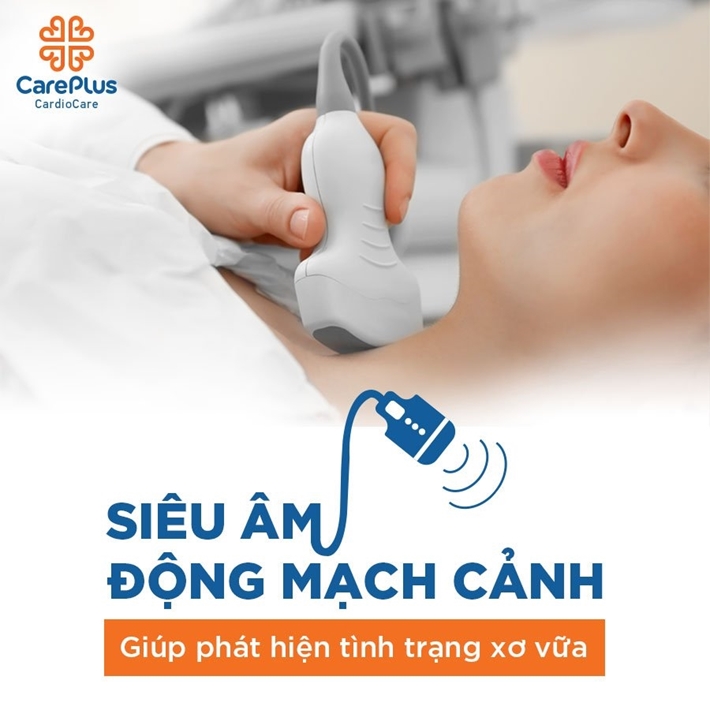
Screening for atherosclerosis to prevent risk of stroke and heart attack


If atherosclerosis occurs, causing narrowing of the arteries that supply blood to the brain, at some point, the atherosclerotic plaque is sloughed off and completely blocked. An area of ​​the brain suddenly has no blood supply will die. That is a stroke. Also, if plaque peeling occurs in the blood vessels supplying the heart, it is a complication of myocardial infarction. The heart suddenly has no blood supply, leading to cardiac arrest, also known as sudden death.

Atherosclerosis often develops long before the stroke - sudden death, so early detection of atherosclerosis, timely adjustment of risk factors such as hypertension, smoking, diabetes is the most effective stroke - sudden death screening.

Atherosclerosis affects the entire vascular system of the body. When atherosclerosis is detected in one site, it is possible to suspect that other areas may also have atherosclerosis. The heart and brain blood vessels are located deep and difficult to survey by conventional means. Atherosclerosis in the limbs often has symptoms such as numbness and pain. In contrast, most carotid atherosclerosis (the blood vessels in the neck that supply blood to the brain) often have no symptoms. An estimated 10-20% of stroke patients are associated with carotid stenosis.

Related posts

Heart attack and 9 things you need to know
According to the World Health Organization (WHO), cardiovascular diseases (CVDs) claim the lives of 17.9 million people each year (31% of all global deaths). In particular, myocardial infarction is one of the heart diseases that account for the highest mortality rate. Learning about myocardial infarction will help you better understand this disease, from having a better way to prevent this dangerous disease.

Heart failure: identify early signs, risk prevention
Heart failure causes many dangerous acute complications, difficult to cure, but the patient still has a chance to slow the progression of the disease if treated early.

Recent posts

5 COMMON MISCONCEPTIONS ABOUT NUTRITION IN CARDIOVASCULAR DISEASE
Discover 5 common misconceptions about nutrition in cardiovascular disease with CarePlus doctors, to gain the right perspective and build a more scientific, suitable diet.

By Specialist Doctor. NGUYEN PHUONG ANH

FOOT AND ANKLE PAIN WHEN PLAYING SPORTS​ NOT SIMPLY CAUSED BY EXCESSIVE EXERCISE​
Foot and ankle pain during sports (running, pickleball, badminton, tennis...) may seem like it's simply from overexertion, but it could stem from various other underlying causes. Join CarePlus doctors to explore the causes and treatment approaches in the article below.

By MSc, MD, Level I Specialist NGUYEN VAN HOANG TAM

PRECISE IMPLANT PLACEMENT AND FASTER RECOVERY WITH SURGICAL GUIDES
Dental implant success doesn't depend only on the implant brand or cost, but also on how precisely the implant is placed into the missing tooth site. Discover the role of surgical guides and 3D technology in supporting accurate, safe, and effective implant placement.

By Specialist Level 1 Doctor BUI XUAN DAT

CONJUNCTIVITIS CAN BREAK OUT DURING THE RAINY SEASON - WHAT SHOULD YOU DO TO PREVENT IT?
Conjunctivitis can easily flare up during the rainy season due to high humidity and poor hygiene. Join CarePlus to learn how to prevent it and what to keep in mind if you're already affected, to protect your eyes and your family's in the article below.

By Dr. Khuong Thi Kha Ly

Related Products

{{currentDoctor.Name}}
*{{ errors.first('form-1.Register name') }}
*{{ errors.first('form-1.Phone') }}
*{{ errors.first('form-1.Email') }}
Patient info:
*{{ errors.first('form-1.Patient name') }}